


In the world of eCommerce, visual merchandising is a powerful tool that can significantly impact sales and customer engagement. Unlike traditional brick-and-mortar stores, online retailers must create a visually appealing digital storefront that captures the attention of visitors and encourages them to make a purchase. Here are key strategies for effective eCommerce visual merchandising:
1. High-Quality Product Images and Media
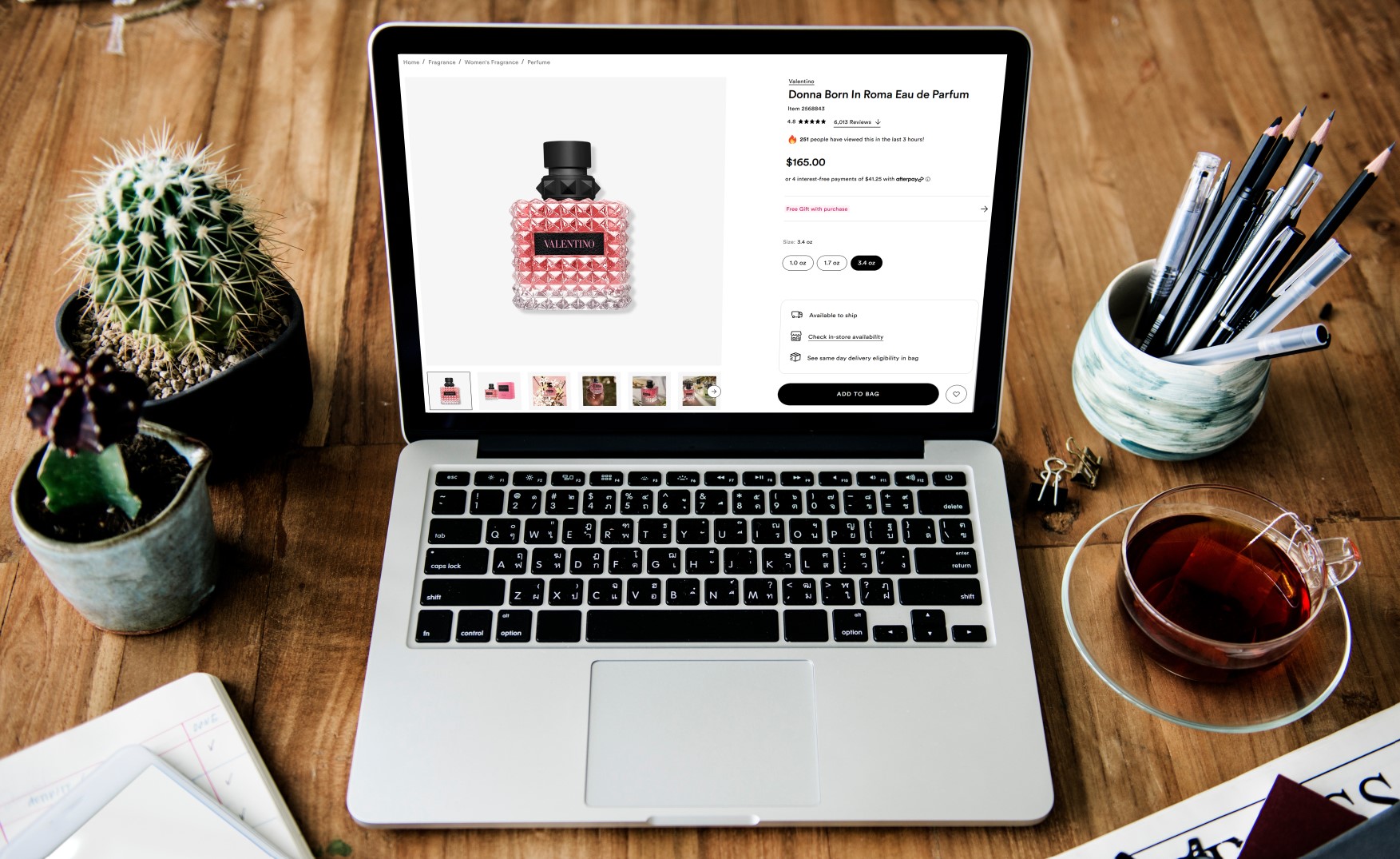
High-quality product images on product detail pages are essential for creating a positive first impression. Clear, well-lit photos that showcase products from multiple angles help customers understand what they’re buying. Consider incorporating lifestyle images that show the product in use, as this can help customers visualize how it fits into their lives. As social media’s influence on customer decision-making grows, consider adding user-generated content (UGC) to your PDPs. This provides additional inspiration by showcasing real customers using, wearing, or styling your products.
Incorporating interactive and dynamic elements can enhance the online shopping experience. Features like zoomable images, 360-degree views, and video demonstrations provide a more immersive experience.
2. Engaging Product Descriptions
While visual elements are crucial, descriptive text plays an important role in providing additional information. Craft your content in a tone of voice (TOV) that aligns with your brand, ensuring it’s clear and easy for your audience to comprehend. Write engaging, informative product descriptions that highlight key features, benefits, and uses. Focus on what makes the product unique while also incorporating relevant keywords naturally. This not only helps with search engine optimization (SEO) but also aids customers in making informed purchasing decisions.
3. Strategic Layout and Design
The layout and design of your eCommerce site should be intuitive and user-friendly. Product findability is crucial for improving user experience and increasing sales. Use clear categories, subcategories, filters, and site navigation to help customers find what they’re looking for quickly. Organize products in a way that makes sense, grouping similar items together and featuring best-sellers or new arrivals prominently.
4. Use of Visual Hierarchy
Visual hierarchy refers to arranging elements and products in a way that guides the viewer’s eye to the most important information first. Use larger images, bold text, and contrasting colors to highlight key products, promotions, or calls to action. This technique helps draw attention to specific areas of your site and drives conversions.
5. Consistent Branding
Consistency in branding helps create a cohesive and professional appearance. Use a consistent color scheme, font styles, and imagery that align with your brand identity. This creates a recognizable and trustworthy brand experience for customers.
6. Personalization
Personalized recommendations and targeted visual merchandising can significantly boost engagement and sales. Use customer data to display relevant products based on browsing history, purchase behavior, and preferences. Personalized experiences make customers feel valued and increase the likelihood of repeat purchases. Learn more about the importance of eCommerce personalization.
7. Seasonal and Thematic Displays
Just like physical stores, online retailers can benefit from seasonal and thematic displays. Update your site’s visuals to reflect new arrivals for product launches, current holidays, seasons, key commercial events or promotions. This keeps the shopping experience fresh and exciting, encouraging customers to return for new offerings.
Conclusion
Effective eCommerce visual merchandising combines high-quality visuals, strategic design, and personalized experiences to create an engaging and intuitive shopping environment. By focusing on these key strategies, online retailers can enhance customer satisfaction, drive sales, and build lasting brand loyalty.


Leave a comment